




A Guide to Tax Declaration in the Netherlands: Tips and Tricks
Do you work or live in the Netherlands and want to know how the Dutch tax system works? Tax filing can be scary, but it’s something that everyone, including businesses, has to do. It can save you time, money, and stress to know how to file your taxes in the Netherlands. We’ll go over everything you need to know about tax returns in the Netherlands in 2024 in this huge guide. From due dates and forms to deductions and professional help, let’s make sure you have everything you need to do your taxes correctly and in line with local rules.
What is the Dutch Tax System
This is important to know about the basics of the Dutch tax system before getting into the details of tax filing. People with higher incomes pay a higher amount of tax in the Netherlands because the country has a progressive taxation system. Taxable income is based on three main boxes:
Box 1
This box encompasses income from work, home ownership, and business activities. It includes wages, salaries, profits from self-employment, and income from primary residence. Tax rates in Box 1 range from 9.45% to 49.5% depending on income level.
Box 2
Income from substantial shareholdings in companies falls under Box 2. This includes dividends and capital gains from the sale of shares in a company. The tax rate for Box 2 is 26.9%.
Box 3
Savings and investments, such as bank savings, stocks, and second homes, are taxed under Box 3. Unlike Boxes 1 and 2, which tax actual income, Box 3 taxes a deemed income based on the value of assets. The tax rate for Box 3 is 31% on a presumed return. You can find more about that here.
Expats living in the Netherlands may benefit from various tax arrangements, such as the 30% ruling, which allows employers to provide tax-free allowances to employees who meet specific criteria. Understanding these nuances is crucial for maximizing tax benefits while remaining compliant with Dutch tax laws.
Tax Declaration Process
Let’s look at the tax filing process now that we have a basic idea of how Dutch taxes work. In the Netherlands, tax returns are usually filed once a year, and the date for most people is April 30. But if you hire a tax pro or planner, you might have until May 31 to file your return.
The Dutch tax office, called the Belastingdienst, lets people file their taxes both online and on paper. Online filing, on the other hand, is better because it’s faster, more efficient, and less likely to make mistakes. If you want to file your tax return online, you must use either Belastingdienst’s approved tax filing software or certified third-party software.
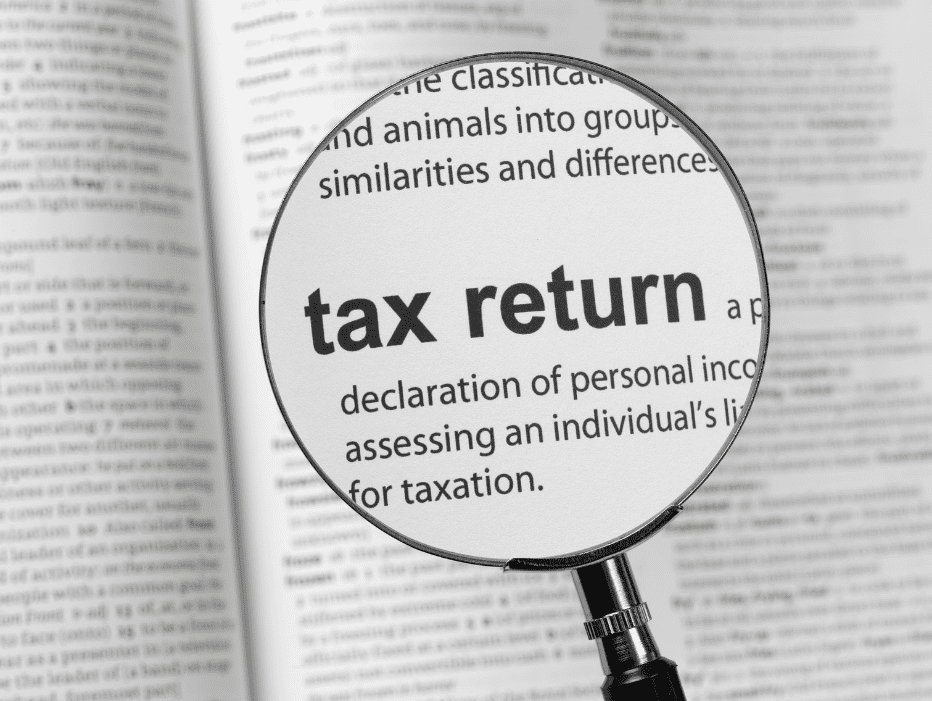
Here’s a step-by-step guide to filing your tax return online:
Gather Necessary Documents
Before you begin the filing process, ensure you have all relevant documents handy, including income statements, mortgage interest statements, and any receipts for deductible expenses.
Access Tax Filing Software
Login to Belastingdienst’s online portal or select a certified third-party software provider. Follow the prompts to start your tax return.
Enter Personal Information
Provide your details, including your social security number (BSN), marital status, and contact information.
Declare Income
Enter information regarding your income from employment, self-employment, investments, and any other relevant sources.
Claim Deductions and Exemptions
Deductible expenses may include mortgage interest, healthcare costs, and donations to charitable organizations. Be sure to claim any applicable exemptions or tax credits.
Review and Submit
Once you’ve entered all necessary information, review your tax return carefully to ensure accuracy. Submit your return electronically.
Receive Confirmation
After submitting your tax return, you’ll receive a confirmation from the Belastingdienst acknowledging receipt. Keep this for your records.
It’s essential to file your tax return accurately and on time to avoid penalties or fines. If you’re unsure about any aspect of the filing process, consider seeking advice from a tax advisor or accountant.
Expert Advice and Resources
Figuring out the Dutch tax system can be hard, especially for people who live outside of the Netherlands or have complicated financial situations. Thanks to tools that are out there, there is help and advice available throughout the tax declaration process.
A comprehensive guide to the Dutch tax system is available on Expatica. The guide explains key concepts and gives useful tax filing tips. Furthermore, the Belastingdienst website offers comprehensive details and helpful tools in various languages to support people in meeting their duties.
Consider talking to a tax expert or accountant who specializes in Dutch taxation for personalized help and advice. For your specific needs, they can provide answers that are tailored and in line with local laws. If you have a company and want to expand globally or if you have questions about the tax regulations in a specific country, contact our experts.
Consider Online Resources and Tutorials
There are official government tools as well as a huge number of online tutorials and guides that can help people understand the Dutch tax system and figure out how to file their taxes. DutchNews.nl, offers also detailed guides and articles on living and working in the Netherlands, including tax issues.
A lot of the time, these sources explain important tax ideas in great depth, give step-by-step instructions for filing tax returns, and give advice on how to get the most tax breaks. It can also be helpful to connect with other expats on social media sites like Facebook groups and foreign forums, where people often share their experiences and ideas about taxes. Online tax filing software and sites may also offer tutorials or customer service to help you fill out the tax returns correctly.
Stay Updated on Legislative Changes
Tax laws and rules can change often, which can affect different parts of tax filing in the Netherlands. It’s important to know about any changes to the law or policies that could affect your tax responsibilities. The website for the Belastingdienst has announcements, publications, and legislative proposals about recent changes to tax rules.
You can also stay up to date on changes in Dutch tax law by signing up for newsletters from financial news sources. Going to seminars, webinars, or workshops led by tax experts or people working in the same field can also help you learn more about planned changes and how they will affect taxpayers. You can make sure you’re following the latest tax rules and taking advantage of any new chances to plan or optimize your taxes if you stay aware and take action.
Utilize Tax Deduction Opportunities
Many deductions and allowances in the Dutch tax system can help lower your taxable income and, in turn, your tax obligations. Mortgage interest, medical bills, school costs, and gifts to charity are all common things that people deduct. If you work from home, you might be able to write off some of your living costs as business costs. These could include rent, utilities, and internet bills.
Additionally, people who put money into retirement savings plans like the lijfrenteregeling or pensioenregeling may be able to get a tax break for those payments. Additionally, people who invest in environmentally friendly projects like green energy or socially responsible funds may be able to get tax breaks or credits. To get the most out of your tax savings, you need to know about all the benefits you can use and the requirements for each one.
Keep Detailed Records
Keeping accurate and well-organized financial records all year can make filing your taxes easier and reduce the chance of making mistakes or leaving things out. Keep all of your income, spending, and investment receipts, invoices, bank statements, and other important papers in one place. To keep track of costs, organise transactions, and make financial reports quickly, you might want to use digital tools or accounting software.
For future reference, keep copies of your past tax returns and any communication you have had with the tax authorities. Keeping your financial records in a logical order will not only make it easier to file your taxes, but it will also make it easier for tax officials to do audits or ask questions. Keeping thorough records will make sure you have the proof you need to back up your tax claims, credits, and statements.
Plan for Future Tax Obligations
You have to do your taxes all the time, not just once a year. This requires a lot of planning and thought. Set aside money for taxes and make sure your investments are set up in the best way to pay the least amount of taxes possible throughout the year. A financial manager, tax expert, or accountant could help you make a full tax plan that works for you and your long-term goals.
You can get help from them to find investments that will save you money on taxes, retirement plans, and ways to plan your estate so that you pay the least amount of taxes possible total. Keep an eye on your money as well, and if your income, spending, or tax rules change, make changes to your tax plan as needed. If you plan ahead and stick to them, you can get better tax results and meet your financial goals more quickly. Our team at works.jobs consult companies in the Netherlands regarding payroll, recruitment and HR advice. Feel free to reach out if you as a company have any related questions.
Understand Tax Residence and Filing Obligations
It is very important to know what your tax residence status is in the Netherlands and how it affects the paperwork you need to send in. As a local, you usually have to pay taxes on all of your income, no matter where it comes from. On the other hand, non-residents can only be taxed on income that comes from Dutch sources.
You need to know your tax residence status in order to know which tax forms to file and what benefits or credits you may be able to get. If you’re not sure about your tax residency situation, you could talk to a tax professional or look at Belastingdienst’s guidelines for resident and non-resident taxpayers.
Explore Special Tax Arrangements for Expats
People from other countries who live and work in the Netherlands may be able to get special tax breaks that are meant to bring skilled workers to the country. One of these is the 30% rule, which lets employers give their workers up to 30% of their salary without taxing it, to help pay for the extra costs of living abroad.
To get the 30% ruling, you have to meet certain standards, such as making a certain amount of money and living in the United States. Tax deals between the Netherlands and expats’ home countries may also help them. These can keep them from having to pay taxes twice and give them other benefits. Expats need to know if they can get these kinds of deals and how to apply for them properly.
Consider the Implications of International Taxation
If you have assets or income that you earn outside of the Netherlands, you may have more tax and filing requirements than people in the Netherlands. Dutch tax authorities want people who live in the country to report all of their income and assets that are kept outside of the country. This includes bank accounts, investments, and real estate.
If you don’t report foreign assets or income, you could be fined or given penalties. Talking to a tax expert who knows about cross-border taxation could help you make sure you’re following international tax rules. They can help you figure out how to report your foreign income, get any tax credits or deductions you’re entitled to, and avoid any problems that might come up.
Be Aware of Tax Deadlines and Extensions
Tax dates that are missed can lead to fines, interest charges, and other problems. Making payments, filing tax reports, and sending in necessary paperwork all have due dates that you need to be aware of. The last day for most people in the Netherlands to file their annual income tax return is April 30th.
If you hire a tax pro or planner, on the other hand, you might have until May 31 to file your return. You can ask the Belastingdienst for more time to finish your tax return if you think you will need it. Make sure you send in your request for an extension before the due date to avoid fees for filing late.
Seeking Professional Assistance When Needed
Taxes can be hard to understand, especially for people who have more than one source of income, property in other countries, or other unique financial situations. Don’t be afraid to get professional help if you’re not sure about any part of your tax return or need help managing your taxes. The Dutch tax system is very complicated, but tax experts, accountants, and lawyers are trained to help you understand it and give you advice that is specific to your needs.
Professional help may cost money, but the money you could save on taxes and the peace of mind that comes from knowing your taxes are taken care of can easily beat the cost. When picking a tax advisor, make sure they have the right knowledge, qualifications, and a good name in the field.
Utilise Tax Deduction Opportunities
Explore Homeownership Benefits
People who live in the Netherlands and own a home may be able to get tax breaks and other perks related to homeownership. For example, mortgage interest payments are often tax-deductible, which means that residents can lower the amount of income that is taxed. You may also be able to get tax credits or subsidies for the costs of house improvements or renovations that make your property more energy efficient. To get the most out of your homeownership benefits, make sure you keep track of all of your costs and talk to a tax professional.
Take Advantage of Education-related Deductions
If you or someone you care about is going to college in the Netherlands, you might be able to get tax breaks or credits for things like tuition and other study costs. The Dutch government lets people get a tax break for some costs related to school, like tuition, course materials, and travel. People who are also taking courses for vocational training or professional growth may be able to get tax breaks. Keep all of your records and other proof of payments for school-related costs, and talk to a tax expert to find out if you can get any deductions or credits.
Maximize Healthcare-related Tax Benefits
Healthcare costs can be a significant expense for individuals and families, but certain medical expenses may qualify for tax deductions in the Netherlands. Costs such as health insurance premiums, dental care, prescription medications, and medical equipment may be deductible, subject to certain conditions and limitations. Additionally, individuals with long-term care needs or disabilities may be eligible for specific tax credits or allowances. Keep detailed records of healthcare expenses and consult with a tax advisor to ensure you’re maximizing your healthcare-related tax benefits.
Consider Charitable Giving Deductions
You might be able to get a tax break in the Netherlands if you give money to approved charities. This way, you can support good causes while also lowering your tax bill. Giving money to charity or giving things in kind, like clothes, furniture, or stocks, can both be deducted. To get tax breaks, it’s important to make sure that the group is recognized as a charitable institution by the Dutch government. Keep track of your gift receipts and talk to a tax professional to make sure you’re following the rules for deductions and getting the most out of your donations.
Review Tax Treaty Benefits for International Taxation
There may be tax deals between the Netherlands and other countries that can help you if you have income or assets in those other countries. These can keep you from having to pay taxes twice, among other benefits. Tax treaties usually spell out how different kinds of income, like dividends, interest, royalties, and capital gains, are taxed and set up ways for tax officials to settle disagreements. It is very important to know what the rules are of any tax treaties that apply to you and how they affect your position. Talking to a tax advisor or international tax professional could help you figure out if you can get treaty benefits and make the most of your international tax planning.
Conclusion
It might seem hard to figure out the Dutch tax system, but if you have the right information and tools, you can handle your taxes well and get the most out of your benefits. To make a tax declaration, you need to know how the Dutch tax system works, keep up with changes to the law, take advantage of deductions, keep thorough records, and plan for future tax obligations. Also, thinking about special tax arrangements for expats, the effects of foreign taxation, meeting deadlines, and getting professional help when you need it can make the process go more smoothly. You can confidently file your taxes in the Netherlands and make sure you follow the rules by being proactive and using the tools that are available to you.
FAQs
When is the Dutch tax return deadline?
The Dutch tax return deadline typically falls on April 30th for most individuals. However, if you’re using a tax advisor or accountant, you may have until May 31st to file your return. It’s essential to ensure that your tax return is submitted accurately and on time to avoid penalties or fines.
How to obtain a BSN number in the Netherlands?
To get a BSN (Burgerservicenummer) number in the Netherlands, you have to sign up with your local government. Expats need to make an appointment at the city office and bring their passport, proof of address (like a rental agreement), and immigration papers. To open a bank account, get health care, or file your taxes, you’ll need your BSN number.
What is an M form for Dutch tax returns?
People with complicated tax situations or relationships with other countries can use M forms in the Netherlands. People who moved to or from the Netherlands during the tax year or who have income from outside the Netherlands generally have to do it. On the M form, taxpayers can list income, deductions, and refunds from both inside and outside of the United States.
Can freelancers apply for tax exemptions?
Depending on their situation and work, Dutch workers may be able to get tax breaks and deductions. Freelancers can write off things like office supplies, tools, travel, and professional growth. Freelancers can claim the costs of their home office if they work from home. Freelancers should keep detailed records of their earnings and expenses and talk to a tax expert to get the most tax breaks.
Who pays income tax in the Netherlands?
Dutch people who make money have to pay income tax. This includes workers, freelancers, retirees, investors, and self-employed people. Earnings, salaries, self-employment profits, rental income, dividends, and stock gains are all used to figure out income tax. The Dutch tax system is progressive, which means that people with higher incomes pay more in taxes. People who live in the Netherlands are taxed on all of their income, but people who don’t live there may only be taxed on their Dutch income.