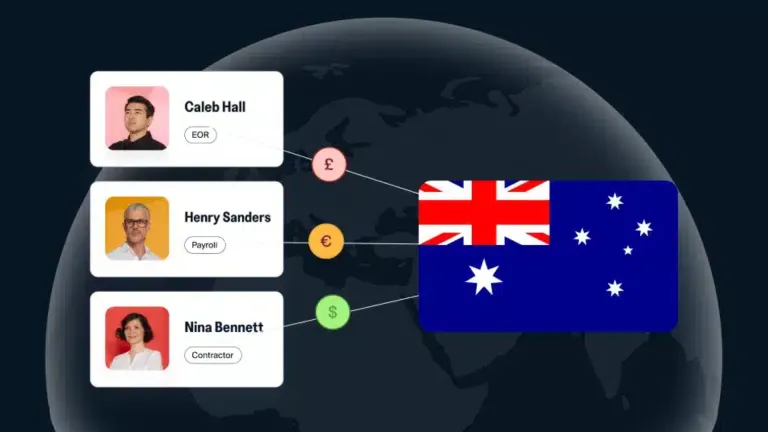





It is true that anytime a business considers expanding into new regions, it involves both opportunities and increased complexity. A big part of the Employers of Record (EOR) model is resolving significant cross-border rental administration hurdles. The model, however, does very little for the integration of the global workforce. This is decided by how the onboarding process is executed.
Onboarding using the EOR model is more strategic than simply the processing of documents. It involves the employees having the right experience and the systems coming together with care for the legal steps. A seamless integration of the EOR processes in a business is crucial to the company, especially for newer companies, regardless of the regions they operate in.
This article will capture the essence of EOR onboarding, it’s processes, steps, real world complexity, and business preparation for onboarding success. Moreover, attention will be given to how ThisWorks collaborates with businesses for EOR transitions. We are ready to begin.
In this arrangement, the EOR is the legal employer, but you retain the primary responsibility for the day-to-day operations and the management of the performance of the staff. With this arrangement, onboarding includes synchronisation of the EOR’s expectations, culture, and systems with your own, as well as the provisioning of the correct contracts, benefits, and guidance to employees. It serves as an integration between your global objectives and local legalities. If managed well, it allows new employees to acclimatise faster, decreases exposure to potential legal issues, and enhances your reputation as an employer internationally.
Why Smooth EOR Onboarding Matters
Onboarding is an important element of the employee lifecycle and, as such, impacts their experience, productivity, and compliance. On the one hand, leaving onboarding to the last minute, or simply poorly planning it, results in onboarding phenomena such as tax compliance setup issues, or assuming responsibilities that one is paid to carry out but which are, in fact, not part of their designated areas.
On the other hand, onboarding programs that are thoughtfully and strategically designed eliminate the fog of uncertainty and the anxiety many new hires experience. Onboarding strategically fulfills legal and administrative requirements that allows organizations to lower the exposure to compliance gaps.
For organizations that are expanding in many countries, seamless EOR onboarding enhances uniformity. It supports centralised HR policies and cohesive company culture, even when employees operate from diverse employment and legal systems.
The Key Stages of EOR Onboarding
In the case of Employers of Record (EOR) onboarding encompases a few bifurcated processes. Each of the processes has its own significance in maintaining the compliance, precision and new employees comfort level.
1. Information Gathering
During the onboarding commencement, the EOR collects important information about a company’s framework, the positions available, the compensation offerings, and the compliance policies. This helps ensure each employment agreement and payroll system is appropriately configured and aligned to the laws of the particular jurisdiction.
2. Employee Data Collection
The next step is the collection of personal and professional information, such as the participant’s identification documents, working authorisation documents, forms for taxation, and banking information. This information is used to confirm and update local employment records appropriately.
3. Contract Preparation
Contracts, which are in compliance with the legal requirements, are constructed EOR of the agreements settled upon by the firm. The contract comprises payment information, working duration, and benefits alongside policies for termination, all in accordance with the appropriate labour laws.
4. Payroll and Benefits Setup
Without delay after the signing of the contracts, the EOR prepares the payroll and benefits systems, configured and activated. This includes the mandatory enrollment of the employees in various social contributions and taxation, and the timely payment of the pensions.
5. Orientation and Introduction
After administering steps, the employees use the company culture for the first time, the culture, tools and policies. This is the time the EOR might help in explaining the local employment advantages and rights at the workplace to make the shift easier.
6. Ongoing Support and Compliance Monitoring
With the EOR, onboarding doesn’t end on the first day. All EOR onboarding is centred around the first day and continues to provide support for unresolved issues.
Common Challenges During EOR Onboarding
Even with assistance from experts, onboarding through EOR can at times become complex and complicated.
Cultural Differences
Communication is one of the domains in which global teams find it most challenging. Each of them has a certain approach to personal communication, anticipation and behaviour at the office. Cultural acclimatisation is training, and additional measures are crucial to enable the new team members to adapt.
Legal Complexities
The employment laws of each country are different to one another. Omitting even the smallest detail, for example, benefits offered or local tax laws, can lead to being non-compliant. These types of errors can be avoided by working alongside a knowledgeable EOR.
Technology Integration Issues
When your company is of an age at which most EORs have their own systems, the errors may increase. In this case, let the ref script configure your payroll, attendance and other systems.
Employee Uncertainty
Track your competition and industry peers, as this relies on competitive intelligence tools or industry relationship tracking tools. Know who your direct and indirect competitors are, who your strategic and resource competitors are, and track them accordingly. Assign a goal to your tracking plan. What financial metric do you want to achieve through competitive tracking and why?
Timeline Delays
The training and onboarding process is tailored to a vast audience which requires equitable instructional design and innovation. Timing your onboarding process with what helps streamline them and cuts the required budget helps people not go overboard on your design and plan as the foundational block. Planning your onboarding helps streamline your design across people. Each person has a design plan to meet.
How to Prepare for EOR Onboarding

Once you establish your goals, communicate them across the business, especially to company shareholders. Set aside budget and resources for enhancing the returns your business creates.
The documents you want are the charter, policy documents, procedures, books of accounts, ledger accounts, and project management of all processes to achieve the number you wish to with this spending.
Internal stakeholders each receive the ledger to defend company projects they lead, extracting recordings to prepare versions for students, as well as non-school-related business to aid external enterprises in preparing documents to be guest speakers.
Proper team communication is sent out through the business, and expectations are shared to streamline the process as well.
Compliance and Legal Alignment
As part of each EOR onboarding process, international compliance and legal conglomeration are fundamental. Each country has its documents, contributions, and contacts. Leaving any documents, contributions, and, conversely, contacts, can result in serious economic and legal ramifications.
Every employer of record is responsible for ensuring that each document, ranging from offer letters to benefit submission and registration, aligns with local immigration and compliance with all legal requisites of the territory. These include, but are not limited to, tax payments, classification of employees, and the legal status under which they employ any foreign staff, including leave and employment.
These documents must be vetted and validated by the HR and legal sectors of your organisation in tandem to establish compliance with the organisational policies before the documents are executed. This ensures that all misinterpretations that are likely to take place are avoided, in tandem protecting the employer and the employee.
Global expansion is now easier, and a strong compliance framework ensures that there are no penalties and builds a reputation for fairness and professionalism. These factors are now essential for any modern growing global company.
Improving Employee Experience

Onboarding is the beginning of a complex, multifaceted process, and an employee’s first and real impression of your organisation. This is the first and real impression an employee gets. With an EOR, it is even more important.
To make their experience constructive, ensure there is clarity, support, and personalisation. There is also a step to be taken to ensure all employees are aware of the communication channels available. And to whom they can reach out in HR, payroll, and technical support. Virtual meetings should be organised to orient employees with other team members and managers.
Please develop a comprehensive welcome package that describes the company culture, policies, and benefits, if applicable, to allocate a ‘mentor’ or ‘buddy’ to the new hire so that they can better adjust to the role.
Understanding that each culture places value on different elements of the work experience, for example, flexibility, communication, and even hierarchy, can strengthen relationships. Onboarding designed for an organisation’s culture enhances retention, motivation, and loyalty, therefore, transforming new employees into valuable company resources.
Onboarding and EOR providers
The use of automated technologies has also minimised human errors, accelerated processing times with documents, and increased the ability to track and use employee information.
Most EOR providers use digital platforms for contract management, payroll, and compliance tracking. These tools assist HR functions of the company in tracking in real-time to guarantee that all activities are done within the stipulated timelines.
The Integration of the company’s HR digital system with the EOR’s platform has proven to be very important, as it has a significant impact on the precision and accuracy of the data, including attendance logs and benefits enrollment.
The self-service dashboard is a significant advantage for employees. It enhances ease of access to payslips, benefits, and policy documents, which in turn increases access to information and lowers information overload for administrative functions.
The Function of Communication in Onboarding New Employees
Within the EOR onboarding procedure, effective communication acts as the glue that holds everything together. It ensures that all parties have the most up-to-date information and are working towards the same goal. Your EOR provider should have all the necessary information on deliverables, timelines, and escalation points well before the onboarding phase starts. There needs to be a stream of communication throughout the process to resolve any potential problems.
Contact with employees should be clear and sensitive in tone. Staff should have an understanding of what the EOR is, the purpose behind its presence and the benefits that it provides to them. Questions pertaining to the employment relationship should be dealt with. Whatever the situation, trust is a two-way street, very much so in this instance. Once that is achieved, collaboration flows freely from all the stakeholders involved.
Measuring onboarding success
After the onboarding process is completed, measuring success becomes important for future processes. Consider important elements and the overall time it takes to onboard a new employee. Employees should know if there are hold-ups with the paperwork in the onboarding process. Employees should be made aware if there is a delay with the payroll and other employee benefits. Improvement areas can be captured from the data. Each new onboarding cycle must perform better than the last. Optimisation becomes important for this to happen.
Capturing these metrics, companies investing in onboarding see better retention, strong compliance, and satisfied employees.
Long-term Benefits of Effective EOR Onboarding

For long-term success, proper onboarding is vital. When employees are properly assimilated, they are more productive, more engaged, and more likely to remain with the company.
From the company’s perspective, this consistent, efficient onboarding reduces the burden of compliance, administrative tasks, and the ambiguous control of brand identity that often plagues global teams. In the long term, effective onboarding minimises the turnover and legal costs that are often associated with global employment. More importantly, it provides peace of mind when entering new markets, knowing the structure and framework are in place for business expansion.
Good onboarding is not simply the absence of a process. It is a purposeful investment in the future of the company’s global workforce.
Why ThisWorks Is Your Partner
Many complexities arise when managing international hiring, and this is where ThisWorks comes in to help organisations manage EOR onboarding in a compliant manner. ThisWorks All In team walks companies through each step of the process, ensuring compliance when developing the contract and setting up payroll. This is also done during the cultural integration and ongoing support for the employees.
ThisWorks combines local on-site expertise with digital technology and maintains seamless onboarding for both employers and employees. Every form and every policy is ultimately about a human, and ThisWorks values that human touch. ThisWorks becomes a reliable partner with all the companies that are expanding into other parts of the world. They are devoted to their work and make sure that nothing is misaligned with the company’s objectives.
ThisWorks becomes a reliable partner with all the companies that are expanding into other parts of the world. Contact our ThisWorks experts for an inquiry. They are devoted to their work and make sure that nothing is misaligned with the company’s objectives.
Frequently Asked Questions (FAQs)
1. What is your company’s policy on onboarding EOR employees?
Using third parties to onboard workers to a company is termed as EOR onboarding. For employees living in different countries, the EOR manages contracts, payroll, benefits, and other compliance-related issues.
2. What is the average time frame for completing EOR onboarding, and why?
EOR onboarding is usually completed between 1 and 4 weeks, depending on the country, the needed documents, and the level of difficulty of the employment laws.
3. What are the procedures for EOR onboarding?
Basic documents for EOR onboarding required are identification documents, proof of residence, tax documents, and employment contracts. Other documents might be needed depending on the local country regulations.
4. How can the process of EOR onboarding be simplified?
To make the process easier, it helps to plan in advance, collect the required employee information early, communicate regularly with the EOR, and have a unified HR information system.
5. Who is responsible for compliance during EOR onboarding?
The EOR provider is responsible for compliance with the local laws, but the EOR employer should also be involved and cross-check all steps for adherence to the organisation’s guidelines.